 Helmets (35)
 Swords and sabers (44)
 Armor (96)
 Spears (8)
 Axes (20)
 Archery (25)
 Shields (11)
 Clothes (41)
 Belts and shoes (21)
 Miscelleanous (61)
Middle age
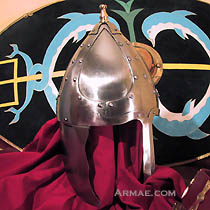
HL219 Spangenhelm 4th Vth centuries
15 weeks
89 €
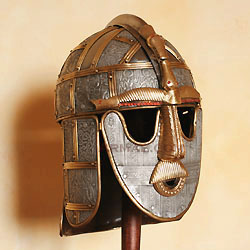
HL225 Sutton Hoo helmet
20 weeks
299 €
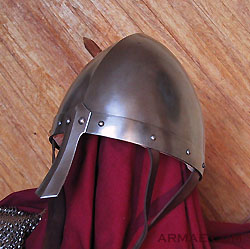
HL252 Norman helmet 9th-12th century
Unavailable
219 €
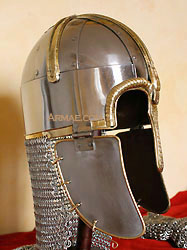
HL233 Coppergate helmet
Available
199 €

HL200 Vendel Viking helmet
12 weeks
249 €

HL297 Norman helmet
Unavailable
69 €
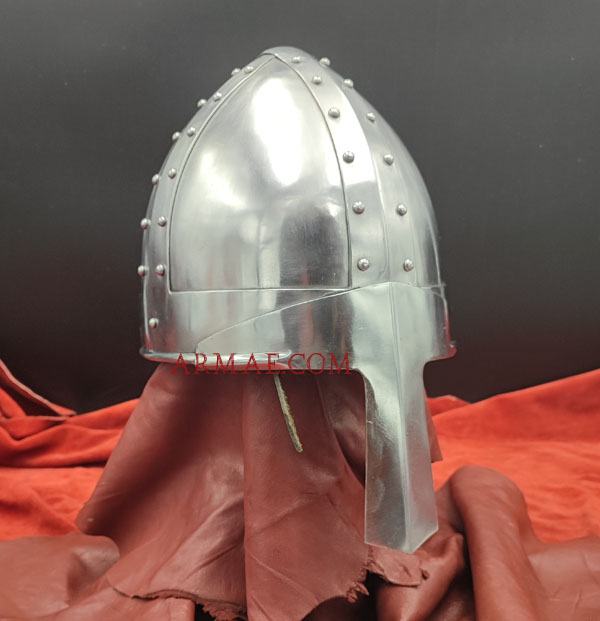
HL276N Norman helmet
Available
99 €

HL295 16th Closed Helmet
Available
139 €
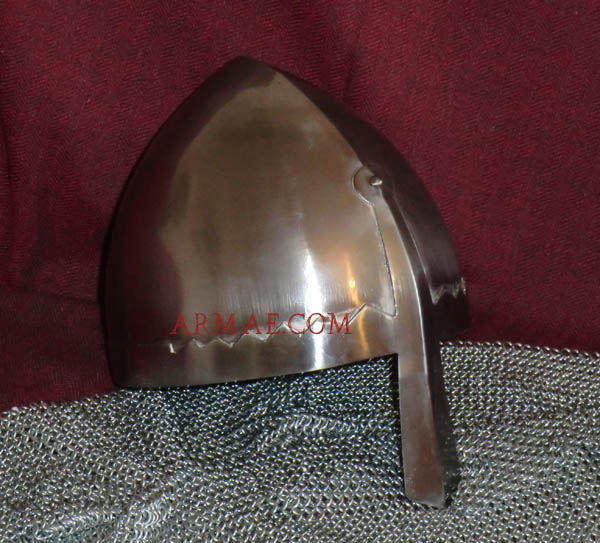
HL277 St Wenceslas helmet
Available
69 €

HL312 Burgundian Kettle Helm
Available
119 €

HL314 Chapel de fer
12 weeks
74 €

HL315 Archer helmet
Available
109 €
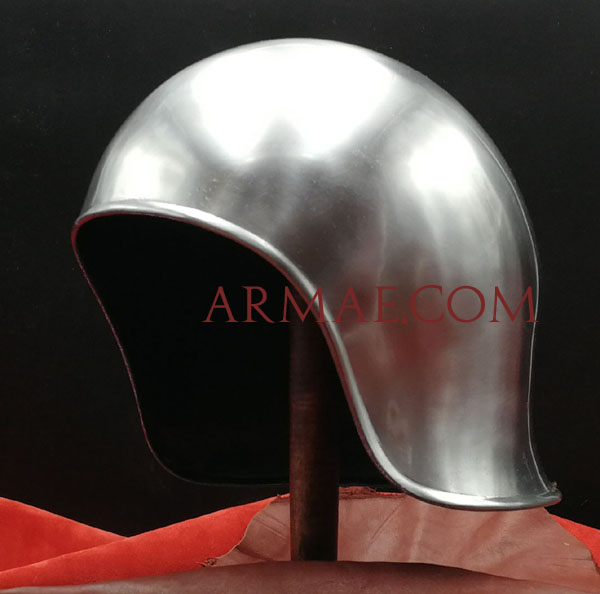
HL266 - Cervelière, 1,6mm
Available
94 €
HL231 Spangenhelm with facial protection, 12th...
Available
149 €
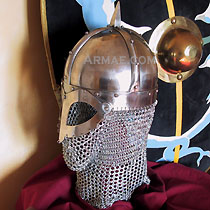
HL232 Gjermundbu helmet
15 weeks
179 €
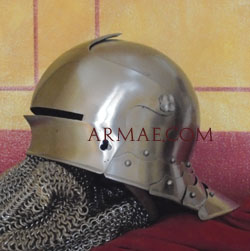
HL275 Sallet
Available
154 €

HL313 Foot Soldier Helmet
Available
69 €
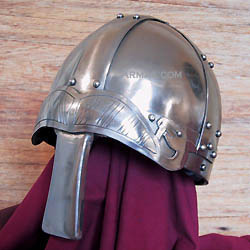
HL230 Scandinavian helmet, 9th-10th century
Available
149 €
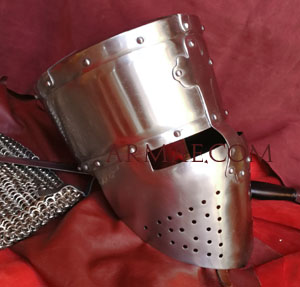
HL279N Visor helmet
Available
134 €
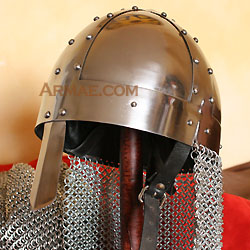
HL237 Spangenhelm nasal with mail cap
15 weeks
74 €
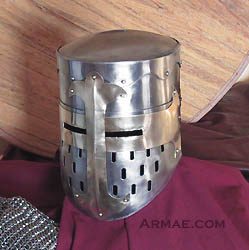
HL206 Visor helmet around 1180/1220
15 weeks
109 €
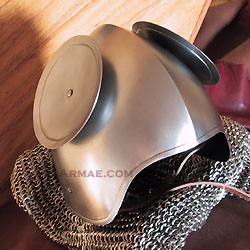
HL261 Bacinet with side shields
Unavailable
249 €
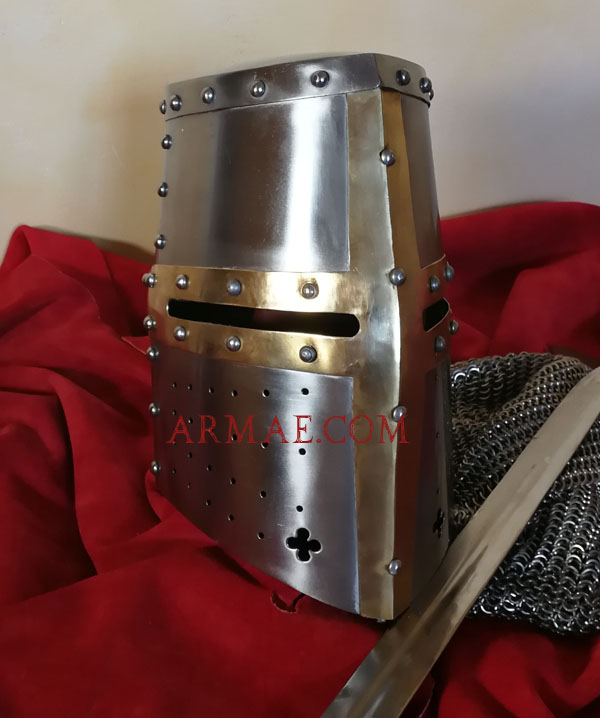
HL213 Great Helm, 13th cent
Available
129 €
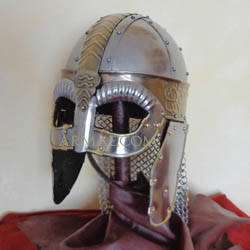
HL239 Spangenhelm with facial protection, 12th...
Available
129 €